Footprints on the Tide’s Edge
Join us for Norfolk Sandscape Strolls, a coast-hugging journey across shifting dunes, shimmering tidal flats, and whispering salt marsh paths. We’ll trace stories carried by wind and tide, meet wild neighbors with care, and learn practical ways to walk lightly. Expect maps and mishaps, folklore and field notes, plus heartfelt moments when light breaks through cloud and everything feels possible. Bring curiosity, a warm layer, and an open stride; the shoreline will do the rest.

Where Sea Meets Sky, Paths Unfold

Choosing a route along wide beaches and winding marsh edges begins with noticing the day’s temperament—how the wind folds waves, how cloud color hints at timing, and how your energy feels. From Holkham’s vast expanse to Wells-next-the-Sea’s pine-backed dunes, every step offers choices. Let curiosity lead, but keep a steady plan: watch for creek crossings, soft patches, and bird resting zones. A generous margin for tides turns potential detours into small, satisfying adventures.

Stories Written in Sand and Salt

Each ripple and ridge carries a long memory: glacial sands reworked by storms, longshore drift painting curves, and quiet accretion building islands like Scolt Head. You can read this seascape the way some read trees—by scars, shelter, and fresh growth. Sand slides, marram knits, shingle rattles like rain. These processes aren’t background; they’re living storytellers, reminding us that every map is provisional, every line redrawn by tonight’s wind and tide.

Quiet Watching at First Light

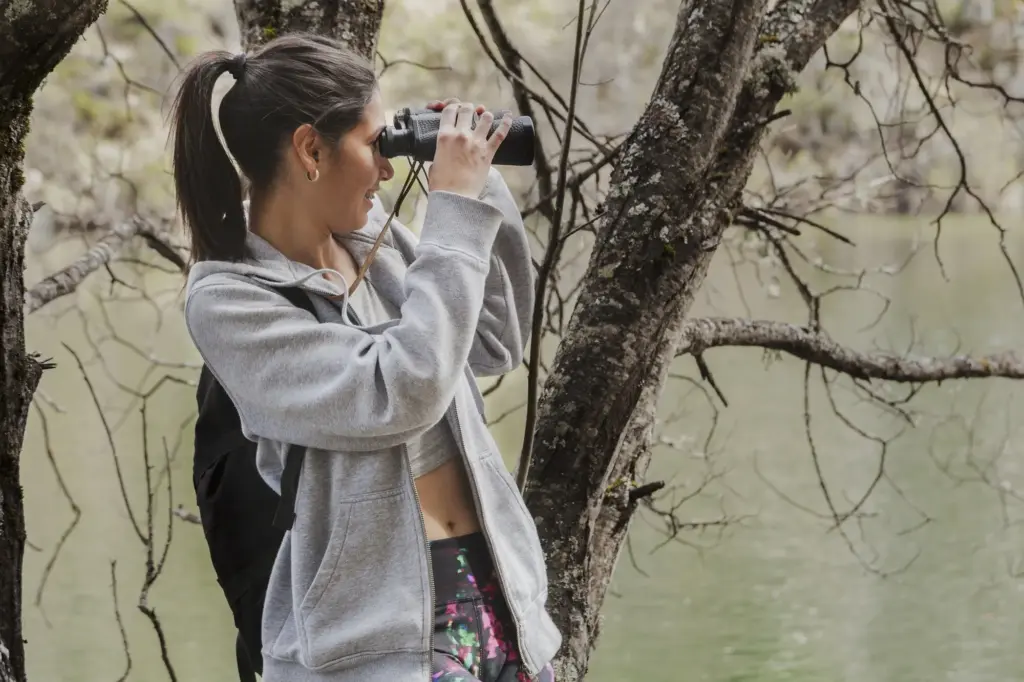
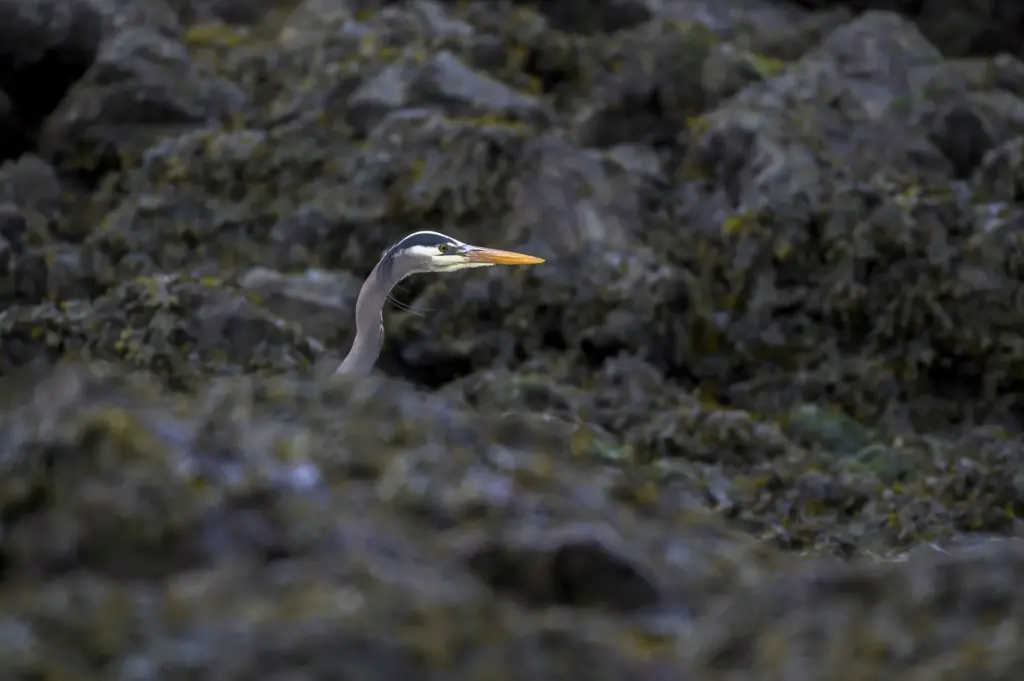
Wrap hands around a steaming cup and let the chill settle into alertness. Low sun gilds the flats, turning distant waders into silhouettes that grow personalities through movement. A simple rule—observe before approaching—protects both birds and your sense of wonder. Kneel, steady your elbows, and note details: bill shape, feeding style, the confidence of their steps. Write what you feel as well as what you see; memory favors emotion over perfect identification.

Sharing Shores With Seals

Grey seals birth on certain beaches, transforming quiet sands into nurseries watched by rangers and volunteers. Keep far more distance than you think necessary, and never stand between pups and water. Dogs should remain leashed well back, both for wildlife and your pet’s safety. Long lenses, not long strides, bring gentle closeness. Celebrate successful viewing by supporting local conservation groups, whose patient work ensures future walkers inherit these sleepy, whiskered afternoons.

A Pocket Field Notebook

Carry a notebook small enough to forget, then remember at exactly the right moment. Sketch a tern’s dive, jot wind direction, or paste a bus ticket beside a feather drawn from memory. Patterns emerge: where certain birds feed at mid-ebb, how cloud height predicts color near sunset. When shared with friends or online, these notes invite conversations that turn solitary walks into a communal atlas of kindness, curiosity, and responsible discovery.

Echoes of Smugglers, Lifeboats, and Lighthouses

These shores have long trained brave hearts and bright minds. Think of Henry Blogg guiding Cromer lifeboats through punishing seas, or painted lighthouses patient in fog, their beams both warning and welcome. Smugglers once threaded moonlit creeks, trading risk for coin and daring for bread. When you rest beside a quay, you’re never alone; stories sit beside you, generous and weathered, ready to nudge your next step with well-earned wisdom.

Slow Steps, Quiet Mind

Walking here can feel like therapy stitched with sea thread. You count waves, then stop counting because breath and horizon slip into rhythm. Small rituals—touching a weathered post, naming a color you’ve never named—anchor attention in kindness. When pace slows, details bloom: hare’s-foot clover, lichen beads, wind-born whistling at a gate. Share what calms you in the comments; your practice might be the permission someone else needs to rest.

Footwear, Weather, and Respectful Footprints

Preparation sweetens spontaneity. Waterproof boots or sturdy trainers, warm layers, hat, sunscreen even in winter glare, and a small first-aid pouch keep you exploring longer. Download offline maps or carry an OS sheet; signals fade on remote flats. Check wind as carefully as tide. Leave dogs leashed near wildlife zones, close gates, and sidestep fragile plantings. Every considerate choice becomes a gratitude note, left invisibly for both neighbors and nesting birds.

What to Pack When Sand Shifts

Pack light but wise: water, salty snacks, a windproof layer, spare socks, gloves, and a compact sit mat for thoughtful pauses. Add a headtorch in winter, plus a whistle you hope never to use. A small trash bag turns you into a beach-mending ally. Consider walking poles for shingle, and dry bags for phones and diaries. The goal is freedom through readiness—room to wander without fretting over wet laces or sudden showers.

Weather as Companion, Not Enemy

Read forecasts beyond icons. Note gust speeds, wind direction, and how pressure changes nudge waves and cloud stacks. Learn when northeasterlies bite and southerlies soothe. Adjust start times to dodge heavy showers while courting dramatic skies for photographs. Carry compassion for companions with different comfort thresholds. Turning back early is not failure; it’s artistry with conditions. Leave your plan on a note at home, and return with cheeks bright as beacons.

Leave No Trace, Leave More Love

Stay to marked paths through dunes, give birds space, and resist shortcuts that carve scars. Take litter others dropped, model leashed patience around seals, and celebrate designated swimming areas. Share respectful practices online with warmth, not scolding; invitation works better than accusation. When we treat coasts like cherished neighbors—greeted, listened to, supported—future walkers inherit places more resilient than we found them. That’s stewardship with sandy toes and a steady, grateful heart.

Light-Chasing Along the Flats

Photographers love these coasts for mirrorlike pools, graphic groynes, and skies that rehearse ten moods in an hour. But you don’t need expensive gear; attention and patience do most of the work. Think in layers: foreground textures, midground curves, distant drama. Seek reflections near low tide, backlight through grass at dusk, and clean horizons that let clouds speak. Share your best frames and settings; your generosity helps someone else see their first magic.

Compositions That Breathe

Let negative space carry salt air into the picture. A single bootprint, a feather, or a channel snake can anchor scale while the sky does its performance. Keep horizons level, then break that rule after you’ve mastered it. Walk a few steps lower or higher for fresh lines. Wait. The difference between ordinary and astonishing is often one patient minute when light tucks itself perfectly behind a traveling gauze of cloud.

Phone or Camera, Both Can Shine

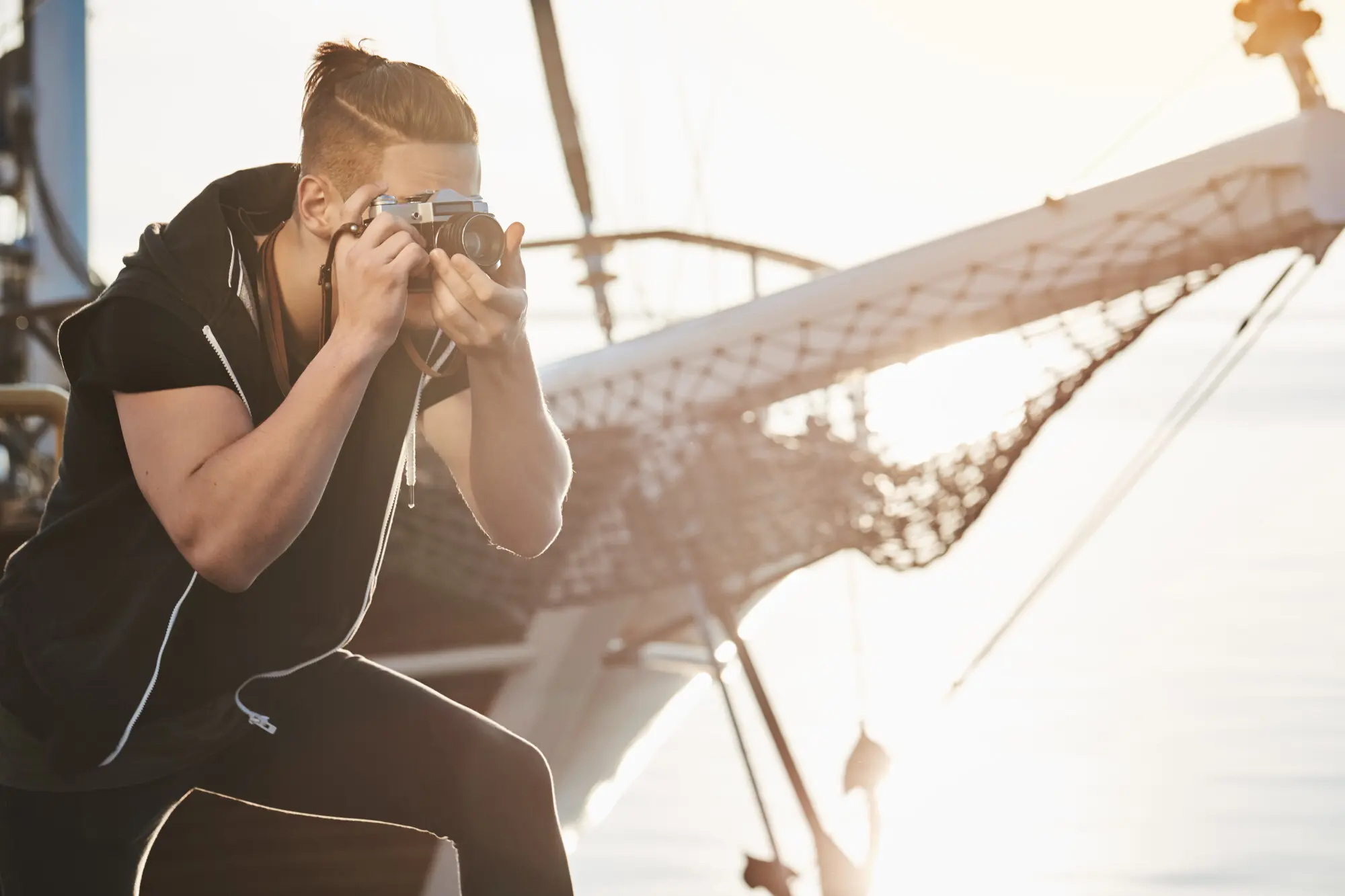
Phones excel at spontaneity and close textures; larger cameras reward slow craft and low-noise twilight frames. Whatever you carry, stabilize: brace elbows, use posts, or kneel in dry sand. Tap for highlights, lock exposure, and underexpose slightly to keep skies alive. Shoot in bursts when birds lift, and breathe between attempts. Back home, edit gently—lift shadows, cool color casts, and crop for story. Then caption with context so learning multiplies.

Sketching While the Tide Turns

A pocket sketchbook slows seeing in the kindest way. Outline the horizon, block dune shapes, then add a whisper of marram with hatching. You’ll notice tonal shifts cameras miss, like lavender shadows under late clouds. Don’t chase perfection; chase presence. Annotate wind direction, tide stage, and the scent of warm rope near a quay. Sharing these pages invites conversation as textured and generous as the sand ripples across your boots.

Waymarkers, Cafés, and Friendly Hellos

Wayfinding here often ends with warm mugs and kinder conversations. Quays bustle with crab sandwiches, salty chips, and seasonal samphire. Villages mark paths with painted signs, hidden benches, and locals who still point with their whole hand. Ask for advice, offer thanks, and if a story comes back, listen fully. We’d love to hear yours—drop a comment, subscribe for fresh coastal rambles, and help this shoreline circle grow brighter and wiser together.
Virodexonovidaximirakavi
Privacy Overview

This website uses cookies so that we can provide you with the best user experience possible. Cookie information is stored in your browser and performs functions such as recognising you when you return to our website and helping our team to understand which sections of the website you find most interesting and useful.