Footprints and Feathers Along the Norfolk Coast

Join us for guided birdwatching walks across Norfolk’s dune and shoreline habitats, where wind-sculpted marram, salt-licked air, and tidal rhythms shape every step. Expect intimate moments with waders, terns, and raptors, practical fieldcraft tips, and stories gathered from dawn beaches, winter roosts, and shimmering mudflats that seem to breathe with life.

Dawn on the edges of The Wash

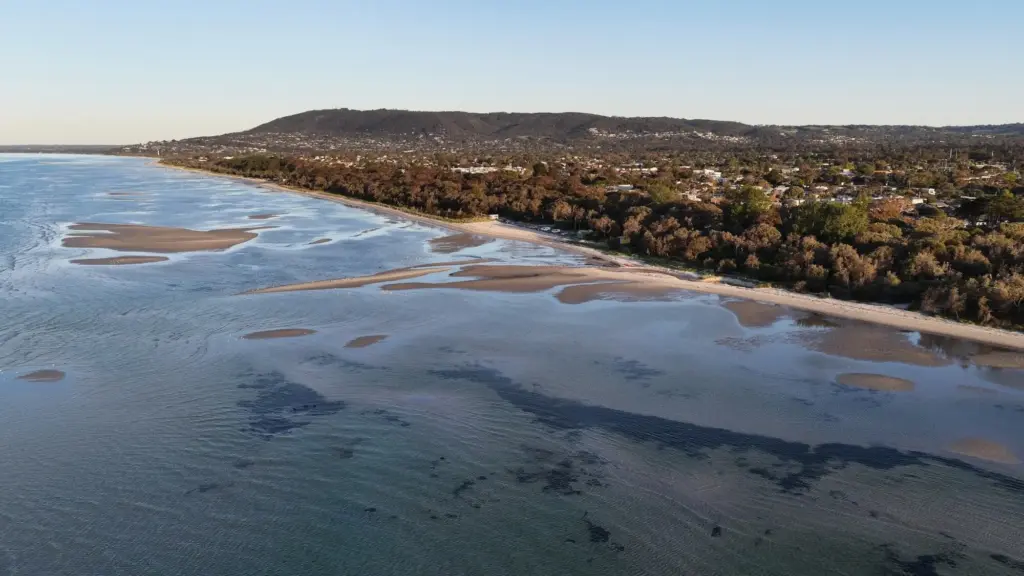
Before the first dog walker leaves prints, the shore belongs to ringed plovers and redshanks whispering over wet sand. In quiet, we watch silhouettes lift and settle, learning to scan systematically, breathe with the waves, and anticipate bursts of movement where ripples meet rivulets and soft light outlines every feeding bill.

When the sand begins to sing

As breeze threads through marram, grains hiss and sanderlings clockwork-run, stitching bright stitches along the tideline. We pause behind natural windbreaks to avoid flushing birds, comparing feeding techniques, noting leg color and structure, and practicing short, still intervals that let wildlife forget us, revealing behaviors most visitors never notice.

Birds That Own the Sand and Spray

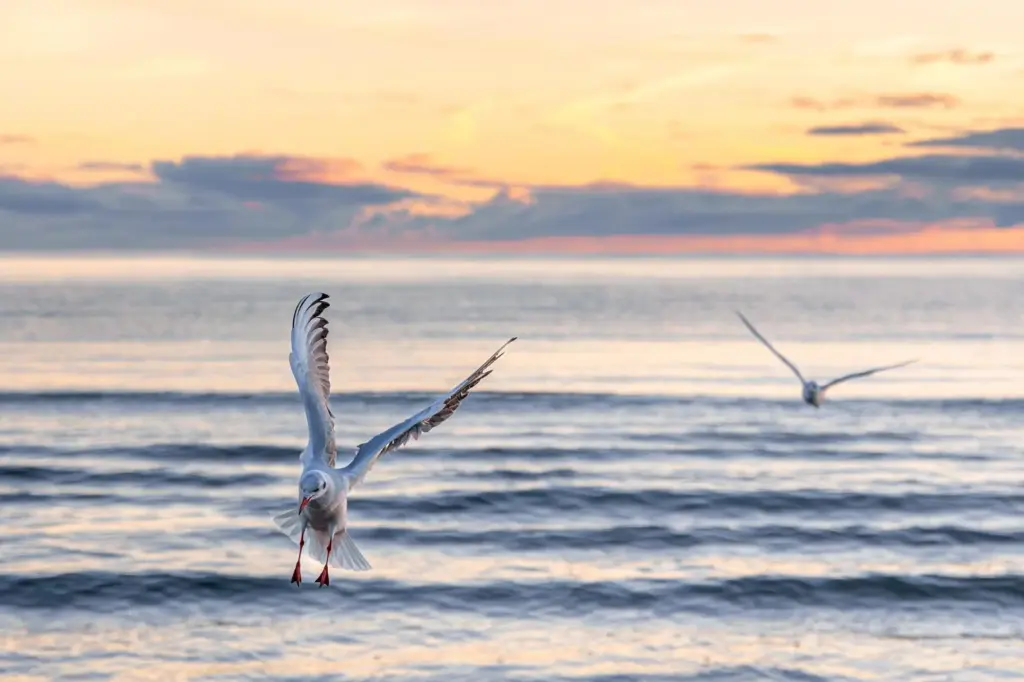
From pebble-camouflaged nests to aerial fishers slicing wind, these shores carry specialists tuned to salt, sand, and sudden weather. On guided walks we decode shapes, calls, and behaviors, replacing guesswork with confidence, and weaving species facts into place-based stories that help sightings become memories rather than fleeting checklist ticks.

Holkham’s pines to Wells-next-the-Sea

A classic stretch where dunes, pines, and tidal channels braid together, offering shorelark chances in cold months and terns in summer. We use the boardwalk to minimize dune wear, scan sandbars for loafing seals, and time our return with the tide to catch waders funneling toward predictable roosts near sheltering edges.

Winterton’s ridges and Horsey’s grey seals

Here, rolling dunes meet broad beaches patrolled by terns when seas warm and by confiding snow buntings when winds bite. In season, we keep respectful distances from pupping grey seals, explain volunteer cordons, and find elevated vantage points where binoculars, not footprints, carry us into intimate scenes without disturbance.

Snettisham’s great gathering

When the moon and tide conspire, waders rise like smoke from The Wash, creating dawn spectacles that hush even chatter. We arrive absurdly early, position the group along the sea bank, discuss why roosts form, and celebrate the first sunray that ignites wings, inviting you to share reflections afterward in our community notes.

Tools, Fieldcraft, and Group Flow

Optics that make moments last

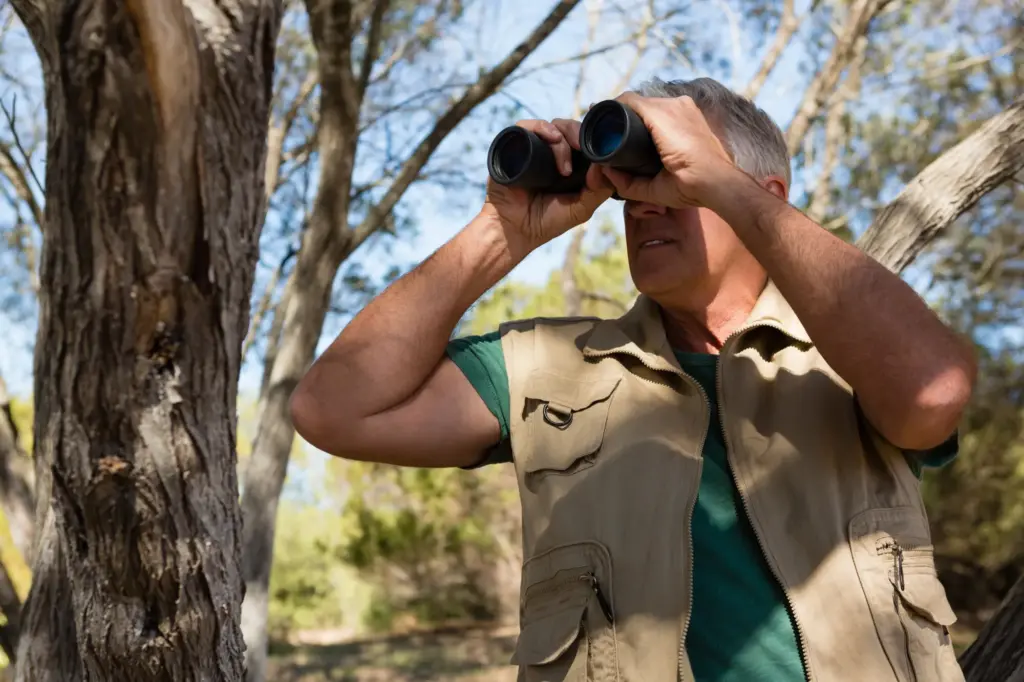
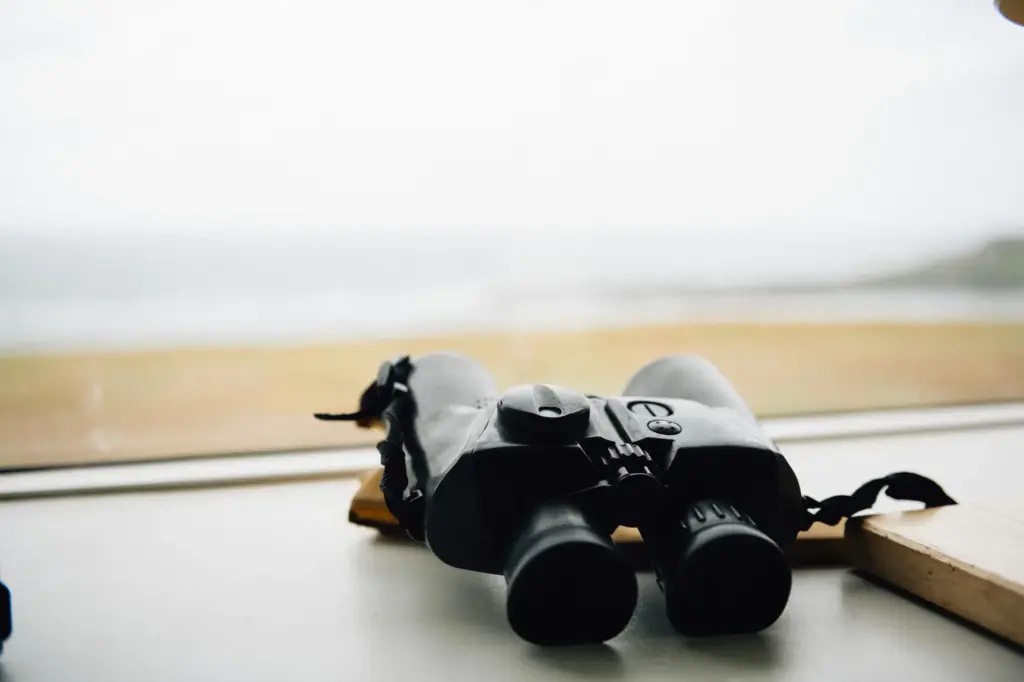
An 8×42 often beats 10x for steadiness in coastal wind, and a scope extends reach to distant sandbars. We coach quick diopter checks, lens care with salt spray, and gentle passing etiquette so rare birds become communal victories rather than private triumphs lost to fogged eyecups or hurried focusing.

Training the ear for surf and song

Waves mask subtle calls, so we practice filtering frequencies: oystercatcher piping slices through; bearded tit pings bounce over reeds; curlew bubbles linger. Short listening drills between gusts sharpen recognition, and we share mnemonic cues, turning noisy beaches into decipherable soundscapes that guide eyes faster than any field guide.

Steps that protect fragile ground

Dunes survive by staying rooted, so we avoid crest trampling, keep to paths, and honor roped-off nesting areas. We explain ringed plover scrapes, little tern wardens, and dog-on-lead reasons, showing how mindful choices invite birds closer, reward patience, and leave the coast as wild tomorrow as it felt today.

Stories the Coast Keeps

Every shoreline outing holds a turning point: a sudden harrier food-pass, a child’s first avocet in crisp light, a squall that teaches patience. Our guides collect these moments not as trophies but as compass points, reminding us why we return, invite friends, and write back with sightings and questions.
On a frost-bitten morning at Snettisham, the flock lifted like a sheet shaken free of sleep, flashing light, then shadow. Someone whispered without meaning to, and the whole line of us forgot the cold, counting breaths between waves, feeling small, grateful, and entirely present in that suspended minute.
At Titchwell’s edge, a youngster peered through shared binoculars and gasped at the upcurved bill, black, white, and impossibly elegant. The guide stayed quiet, letting wonder settle. Later, that family emailed a drawing, promising to return. That sketch now rides in a rucksack pocket as lucky weathered charm.
Once, rain nicked sideways and sand stung shins, yet after the front passed, sunlight opened and gannets carved clean lines offshore. We learned to trust forecasts, double-knot bootlaces, and keep morale with chocolate. Hard weather polished the morning, leaving rarer light and stories retold over thermos steam.

Season Planner, Safety, and Accessibility

Different months bring different wonders and responsibilities. We plan around nesting seasons, midday glare, and deceptive spring tides, choosing accessible boardwalks or firm sands for varied mobility. Safety briefings cover clothing layers, hydration, sun and wind exposure, and respectful distances—so discoveries arrive wrapped in comfort, not preventable mishaps.
Virodexonovidaximirakavi
Privacy Overview

This website uses cookies so that we can provide you with the best user experience possible. Cookie information is stored in your browser and performs functions such as recognising you when you return to our website and helping our team to understand which sections of the website you find most interesting and useful.