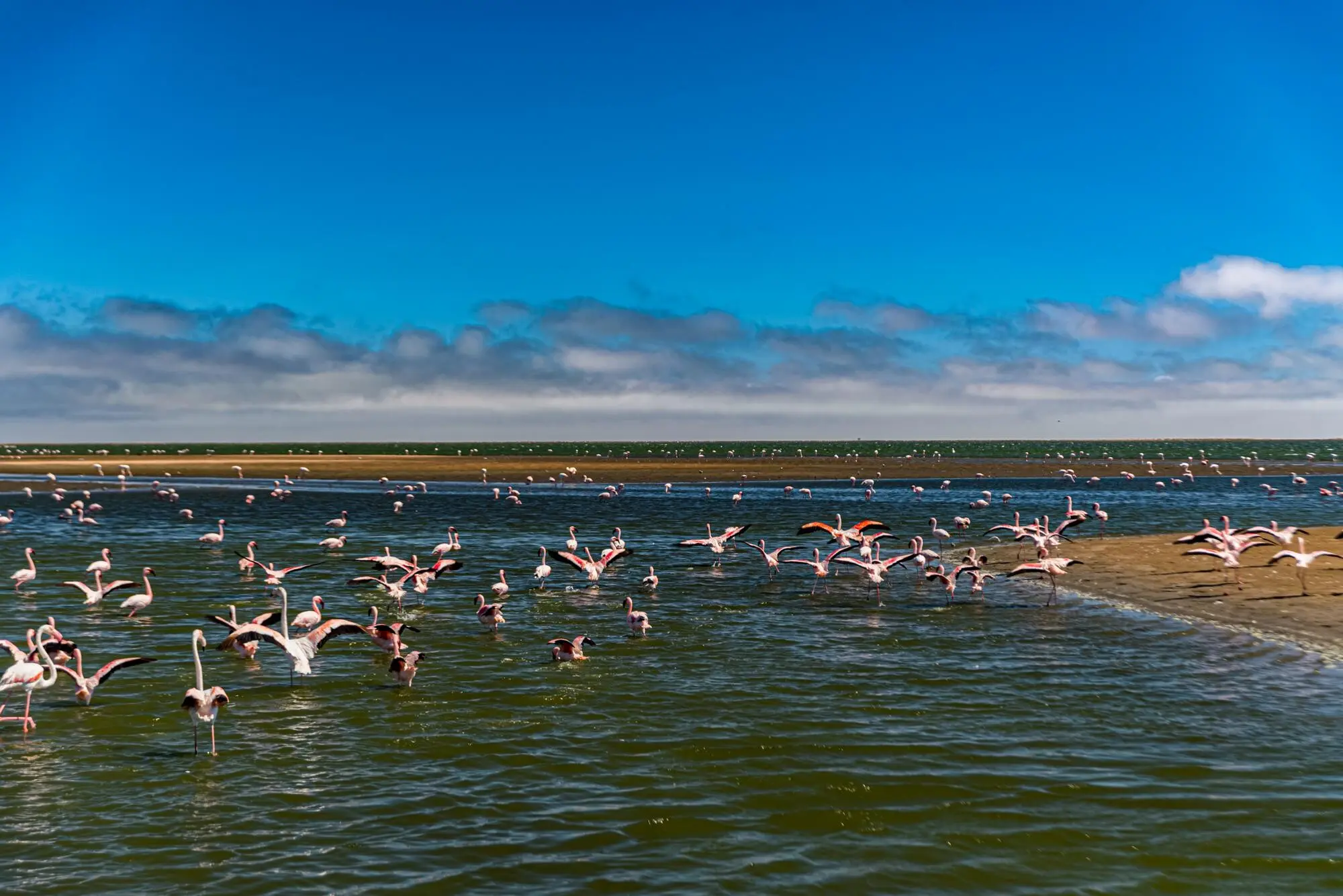
Follow the Water: Tide-Savvy Walks on Norfolk’s Wide Sands
Set out across Norfolk’s sandbanks and expansive flats with confidence, using clear, tide-aware walking itineraries that celebrate shifting channels, big skies, and quiet wildlife moments. We will share timings, safety cues, navigation tricks, and memorable routes from Holkham to Brancaster, blending practical advice with local color and stories. Expect honest turnaround rules, Plan B options, and transport notes to keep every step rewarding. Share your favorite crossings or questions in the comments, and subscribe for fresh seasonal updates and refined schedules shaped by real walkers’ feedback.

Understanding the Pulse of the Tide

Before any stride on the flats, learn how water breathes across this coast. Norfolk’s tides can rise faster than your walking pace, especially around sprung tides and in strong winds. Reading tables, judging wind effects, and pacing your outward leg create relaxed, confident adventures. This section explains practical cues, simple formulas, and local nuances that make decisions easy under pressure. Bring patience, curiosity, and a willingness to turn back early. You will finish with more energy, precious daylight, and a smile that invites the next outing.

How to Read Local Tide Tables

Choose tide predictions for the nearest harbour or beach, then adapt times if your start lies between reference ports. Mark low water, visualize its middle third, and plan most exploring during the ebb and early slack. The flood starts deceptively, then accelerates. Write your latest safe return time on a card. Wind from the north or west can push water higher and earlier. Confirm on the shore: watch tiny ripples reverse direction along creeks, a subtle sign that your turnaround window is closing.

Springs, Neaps, and Wind-Driven Surges

Spring tides expose glorious sandplates yet refill channels aggressively, demanding sharper timing and conservative crossings. Neaps linger helpfully but reduce dry reach, encouraging shorter, more intricate routes along firmer fringes. Overlay wind: sustained onshore breezes raise levels and quicken the flood, while offshore winds can temporarily hold it back before a rapid catch-up. Trust instruments and observations over wishful thinking. When height predictions, pressure anomalies, and whitecaps disagree, default to caution. The sand will be there tomorrow, and your legs will thank you.

Holkham Gap to Wells Beach Huts: Big-Sky Sandplate Adventure

This beautiful traverse pairs vast, rippled flats with the pine-framed promenade of Wells. Start from Holkham Gap after low water on an ebb or slack window, stride the firm middle sands, and angle toward the cheerful beach huts as channels permit. Expect changing patterns underfoot, discreet creeks, and sweeping light. Keep the dunes and distant huts as handrails, and hold an early return plan through the pines if the flood arrives. Finish with coffee near the harbour, trading footprints for stories and contented silence.

Burnham Overy Staithe and Gun Hill: Saltmarsh, Dunes, and Vast Flats

From the quay at Burnham Overy Staithe, a magical route threads between saltmarsh creeks, rises over low dunes near Gun Hill, and opens onto glimmering flats. Times matter here: channels wake quickly, and the wind funnels sound through the narrows like a whispered warning. Keep nesting seasons in mind, always obeying local signage. On the right day you will stride across gentle water-mirrors, your shadow long and playful. Finish with harbour views, a flask toast, and route notes that grow braver by winter.

01

Timing the Narrows and Choosing a Sensible Line

Begin shortly after low water so outbound steps coincide with the most forgiving levels. Use the waymarked path past the marsh, then angle to the firmer fringe beneath the dunes. Study creeks for a simple crossing you can repeat. If the wind freshens onshore, reduce ambition and turn sooner. The narrows near Gun Hill can sing with the first push of the flood; treat that change in sound as a friend tapping your shoulder. Trim decisions early, then enjoy unhurried sand under every step.

02

Respecting Wildlife and Seasonal Restrictions

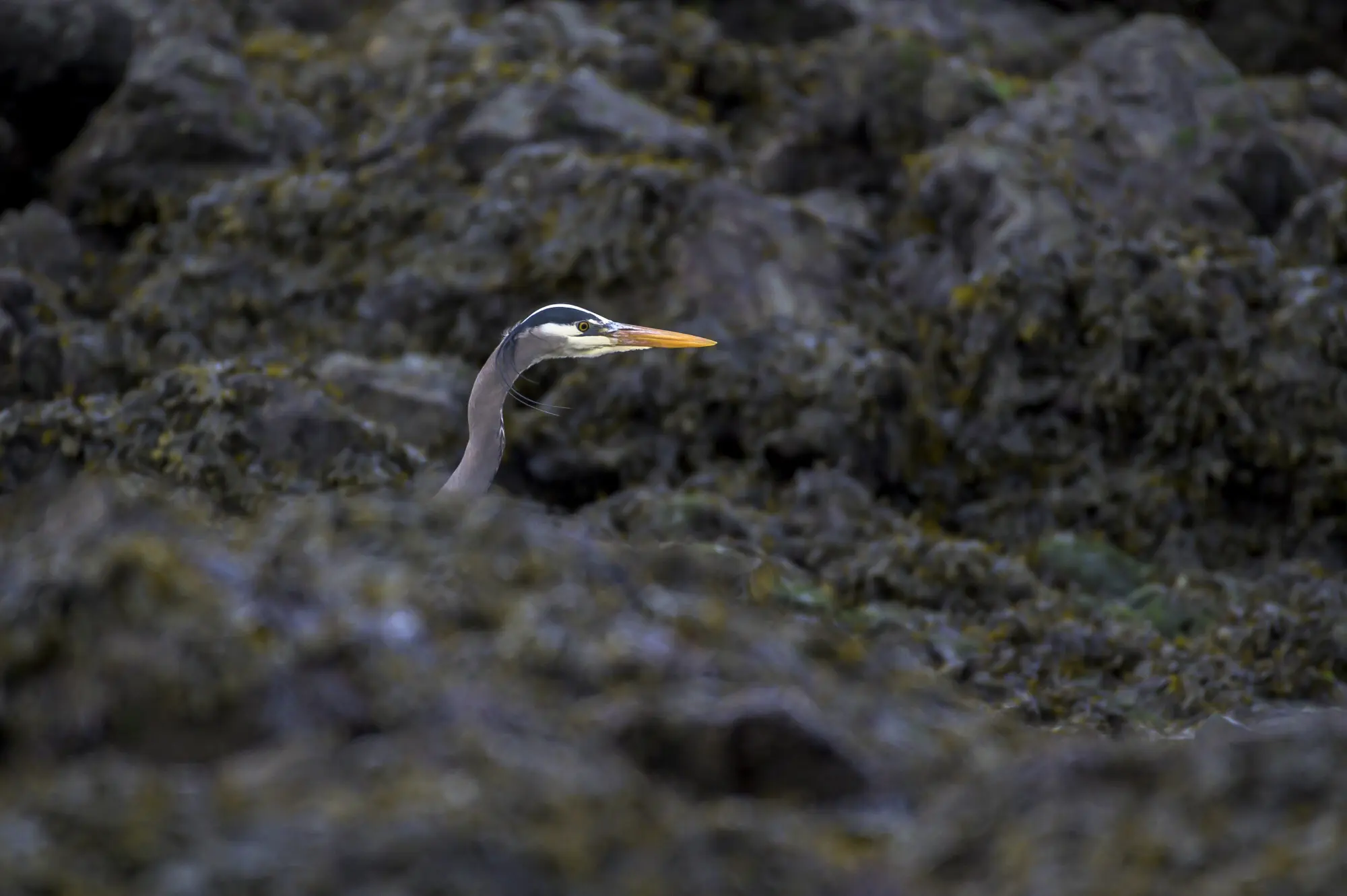
This stretch shelters ground-nesting birds and hauled-out seals nearby. Keep to wet sand corridors that avoid roped areas, give animals generous buffers, and pass quickly and quietly where signs request. Dogs should stay close and calm. Photographs work best from distance with steady hands and patience. If a bird repeatedly lifts or calls, you are too close. A small detour preserves future access and calmer hearts. Leave only light footprints, then share sightings respectfully in the comments to help others appreciate without disturbing.

03

Celebratory Finish: Harbour Snacks and Notes for Next Time

End where boats rest like punctuation along the quay. Swap sandy insoles for dry socks, unroll a windproof layer, and honour your chosen turnaround rule. Jot the creek that felt trickiest and the sky pattern that foretold the flood. Was the firmer line closer to the dunes or the gleaming center? Reward yourself with a snack and a moment of stillness. Later, post one practical insight you learned today; your brief note might spare a stranger wet knees and give them courage to explore.

Route Sketch and Plan B if Water Wins
Set out on the ebb from Brancaster, holding the firmer mid-sands while tracking a clear landmark behind you. If any channel bites deeper on your shins than expected, pivot to your inland arc and do not argue with water. Mark three bailout points onto higher sand or the sea wall. If Plan A flows perfectly, enjoy the long curve toward Titchwell; if not, Plan B and warm drinks remain undefeated champions. Share which plan you used, helping refine these living itineraries with honest experience.

Wind, Fetch, and the Sound of the Flood
An onshore breeze over a long fetch raises chop and chops minutes off your margin. Clouds will scud faster, gulls lean steeper, and tiny wavelets begin to run up previously quiet sand. Pause. Listen for the distant hush that means water is filling lateral creeks you cannot yet see. Turning then feels wise, never timid. When offshore winds flatten everything, remain cautious; delayed floods often sprint to catch their timetable. On either day, your ears and patience measure safety more reliably than ambition.

Watching the Horizon: Clouds, Light, and Decision Points
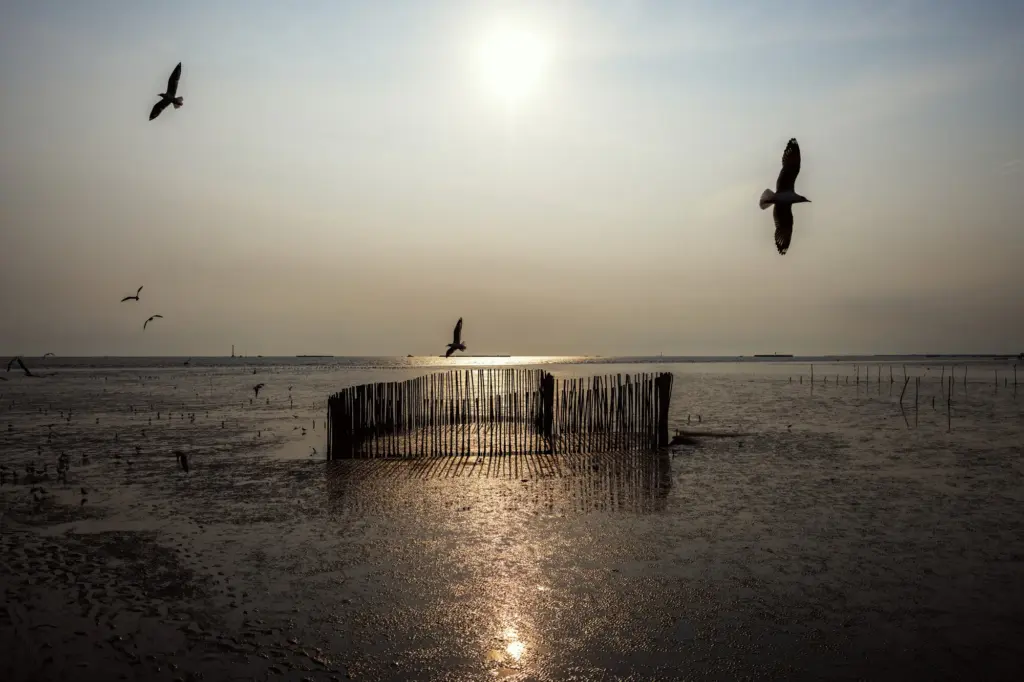
Norfolk’s horizon tells stories in strokes of pewter, pearl, and sudden gold. Use cloud lines as calm companions for bearing, but make decisions from wet sand underfoot. If sunlight briefly hardens reflections, it can hide thin water over slick mud; slow down, probe, and arc higher. Preselect three decision points where you will pause, drink, and truthfully reassess timing. A confident early turn in beautiful light feels triumphant, not cautious. Leave a note afterward describing one horizon cue that helped you decide well.

Maps, Apps, and Offline Backups

Mobile coverage along this coast varies with dunes and weather. Download satellite basemaps and topographic tiles for the whole day, then switch your device to airplane mode to preserve battery. Mark car park, planned turnaround, and two higher escape lines as starred points. A tiny baseplate compass weighs almost nothing yet grants calm when screens dim. Note what3words or grid references for meeting points. If you rely on a smartwatch, bring a paper cheat sheet of bearings and tide milestones as faithful backup.

Clothing, Essentials, and Small Luxuries

Layer light and breathable, with a windproof outer that seals cuffs against spray. Neoprene socks or sturdy trail shoes manage chilly creek crossings, but avoid deep mud by retreating early. Pack a microfibre towel, handwarmers, plasters, and a tiny thermos. Sunglasses help read ripples and reduce squint fatigue. Slip a dry bag into your pack for electronics. A bright hat makes partners easy to spot across glittering flats. That spare chocolate bar becomes a celebration token when you wisely pivot to Plan B.

Seasons, Wildlife, and Stories from the Sands

Bird Calendar: Knots, Oystercatchers, and Winter Geese

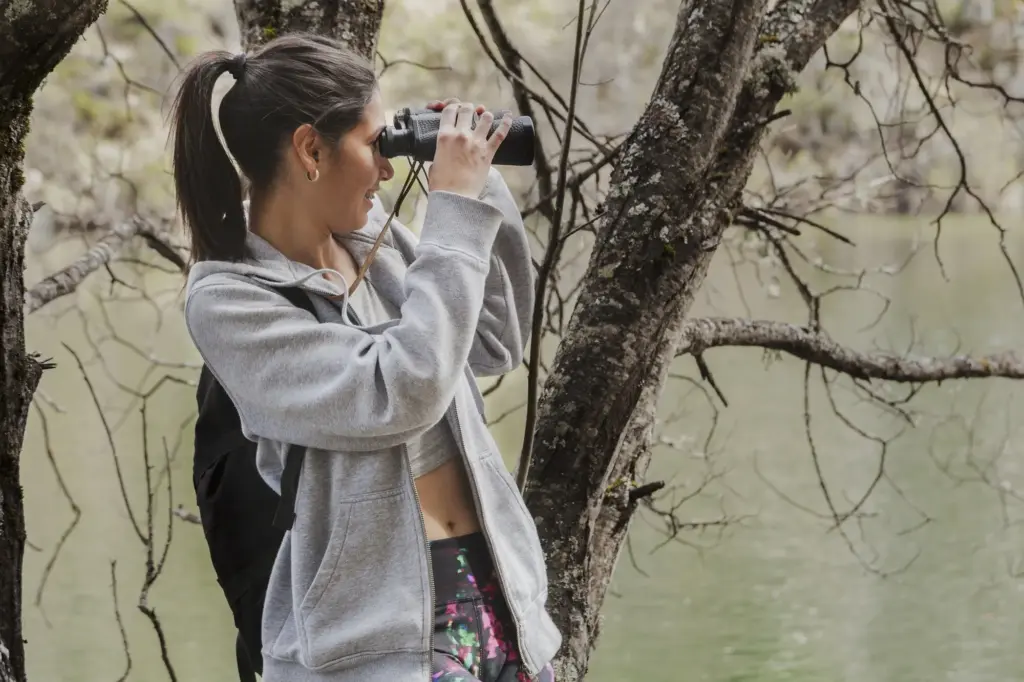
On crisp winter mornings, knots twist like smoke over the flats, while oystercatchers whistle and flash bold bills against clean sand. Spring requires extra care near roped zones where ground nesters settle. Late summer’s terns skim glittering channels with needle precision. Autumn dusk carries the soft roar of geese threading home. Bring binoculars and time your rests where disturbance is least. Record what you see and keep distances generous. Add your notes below so travelers can match gentle footsteps to respectful seasons.

Foragers’ Notes: Samphire, Sea Aster, and Ethical Gathering

In late summer, bright samphire clumps sparkle near higher marsh edges, but picking demands restraint. Take only tiny amounts from abundant patches, never uproot, and avoid protected areas entirely. Sea aster leaves offer briny sweetness too, again in moderation. Rinse back at the car, savor simply, and remember foraging works best as tasting, not harvesting. Leave plenty for wildlife and neighbors so goodwill grows. If unsure about identification or access, do nothing but photograph. Share respectful tips that keep these shores generous and alive.

Anecdote: The Kettle, the Creek, and the Racing Tide

One frosty morning, we brewed tea beside a barely trickling creek, convinced we had another lazy hour. Steam curled, a curlew called, and then the channel reversed with a sly, glassy wink. We packed in under a minute, tiptoed upstream, and found a shallow, ribbed crossing we had marked earlier. Dry socks, hot tea, and an early finish tasted better than any victory. That day taught us to celebrate the first hint of the flood as a friendly bell calling us home.

Virodexonovidaximirakavi
Privacy Overview

This website uses cookies so that we can provide you with the best user experience possible. Cookie information is stored in your browser and performs functions such as recognising you when you return to our website and helping our team to understand which sections of the website you find most interesting and useful.