Chasing First Light and Last Glow along Norfolk’s Dunes and Shores
Join me for photographer’s sunrise and sunset walks on Norfolk’s dunes and beaches, where east-facing horizons ignite quickly at dawn and evening light drapes long shadows across sands. We’ll share routes, gear tricks, safety wisdom, and heartfelt moments gathered between wind-shaped grasses, tidal mirrors, red cliffs, and quiet harbors.

Timing the Coast’s Changing Light

Norfolk rewards early risers and patient evening walkers with luminous transitions that feel choreographed by tide and sky. Learn to pair first light on eastward beaches with the warm afterglow over The Wash at Hunstanton, using blue-hour calm, moon phases, and cloud forecasts to anticipate color, contrast, and texture.

Reading tide tables like a storyboard

Study tide tables as if planning scenes: low water reveals mirror-flat sand, shallow pools, and curving channels that lead the eye, while rising water compresses compositions and changes footing. Note springs and neaps, onshore wind effects, and timing that places warm light across ripples, not behind them.

Where sunrise unfolds fastest on the east coast

On east-facing strands like Winterton-on-Sea, Caister, and Cromer’s wide promenade, dawn accelerates dramatically, with color emerging minutes before official sunrise. Arrive early to scout leading lines and stable tripod spots, because once the disk appears, contrast spikes, birds scatter, and the best sky may pass in breathtaking seconds.

Hunting the rare westward sunset over water at Hunstanton

Unlike most of England’s east coast, Hunstanton angles toward The Wash, gifting photographers a westward sunset that pours gold across calm water and striped cliffs. Time your arrival for a falling tide, watch for tidal pools forming foreground halos, and stay through blue hour as lighthouse beams stitch the horizon.

Footprints, Wind, and Marram: Working with the Dunes

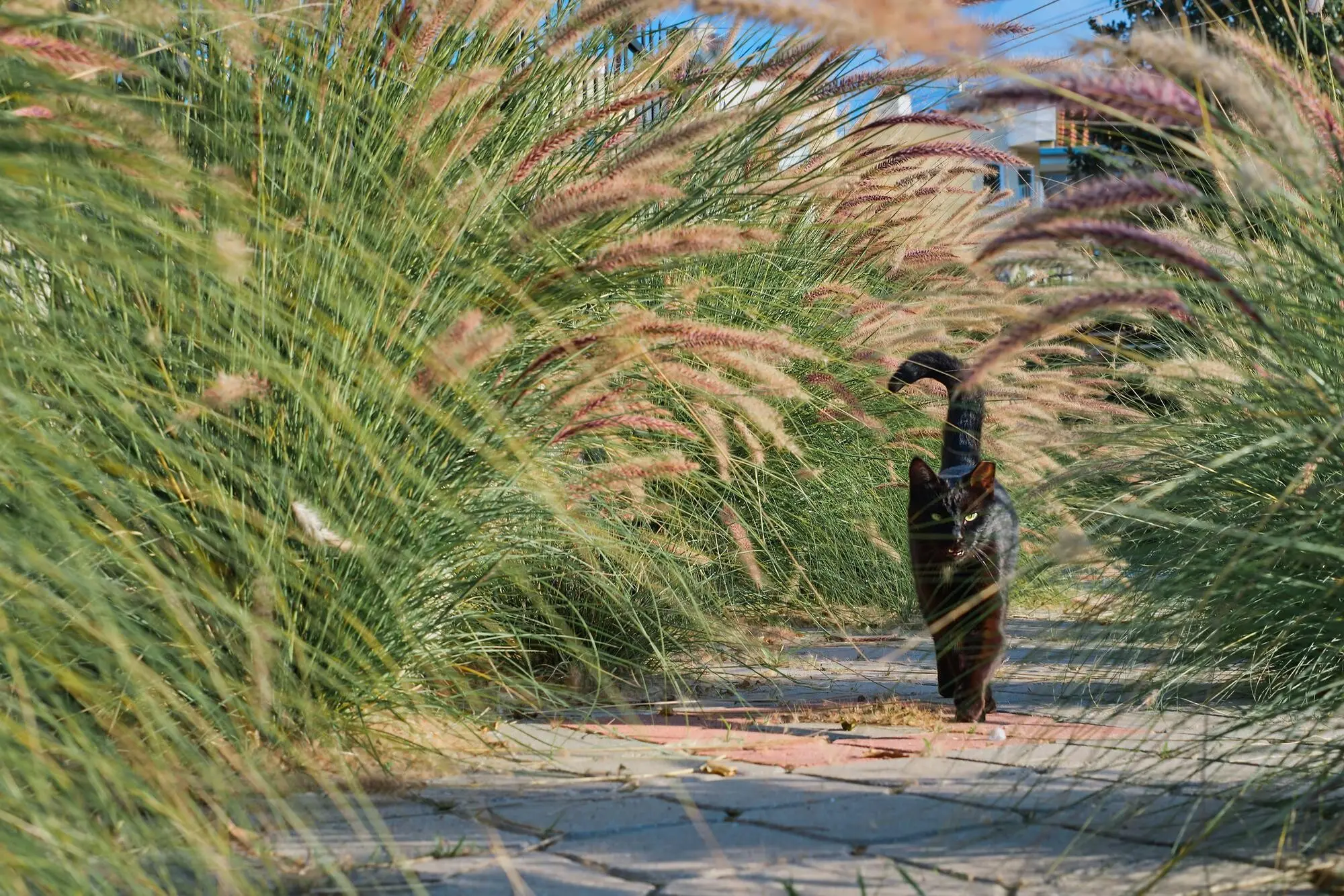
Shifting dunes hold delicate roots, whispering grasses, and patterns that reset nightly under Atlantic gusts and North Sea weather. Approach gently, using established paths, and read the surface like parchment: footprints, fence shadows, and wind-scoured ripples provide rhythm, scale, and context without trampling the living architecture that shapes every frame.

Protecting fragile grasses while composing low

Kneel from path edges or firm sand, using a ground cloth to avoid crushing marram while achieving immersive, low horizons. A short telephoto compresses fronds into glowing layers at sunrise, keeping your body off sensitive patches. Small shifts in stance, not steps, refine alignment with backlight and ripples.

Carving leading lines from ripples, fences, and paths

Arrive before crowds and dog walkers mark the sand, then angle across ribbed textures so diagonal ripples guide viewers toward the bright horizon. Weathered fences and worn tracks become arrows when framed from knee height, especially with a wide lens that exaggerates perspective while preserving intimacy with brittle grass.

Tools That Survive Salt and Sand

{{SECTION_SUBTITLE}}
Tripods, spikes, and makeshift snowshoes for sand

Wide feet or plastic coasters prevent legs from sinking in soft patches, while spiked ends bite into firmer layers below. Press each leg deliberately, hang your bag as ballast, and lower to minimum height when gusts rise. Stability buys f-stop flexibility, longer shutters, and calmer nerves as colors crest.

Filters and long exposures on reflective flats

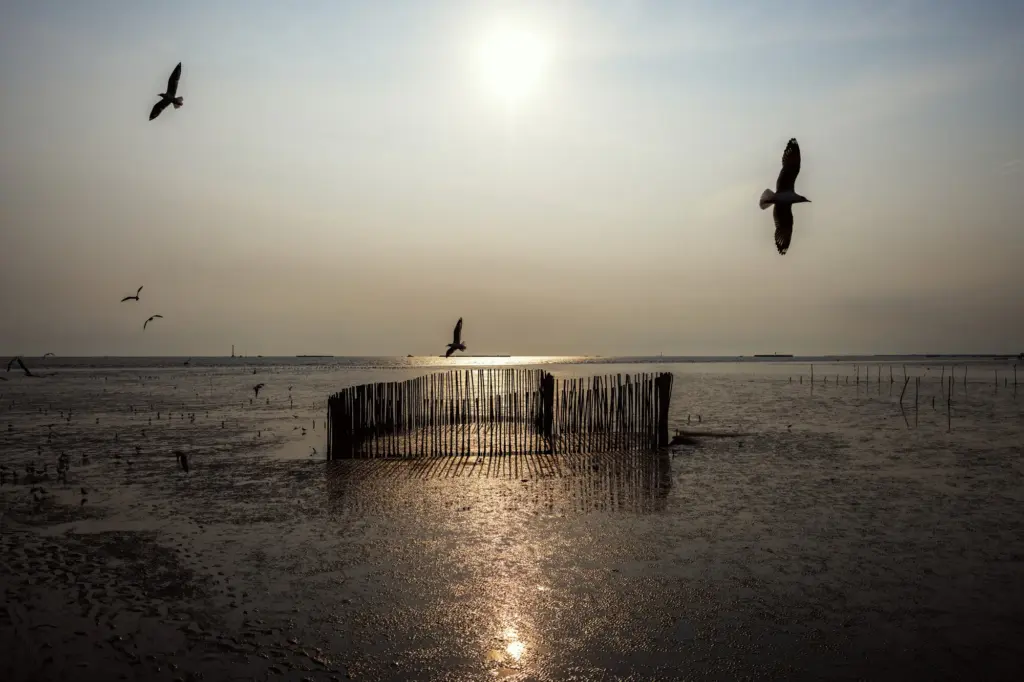
Graduated neutral density filters tame sky brightness when the sea mirrors flame. Combine a polarizer sparingly to manage glare without erasing painterly reflections. For silky water, stack ND filters and watch footprints erase themselves, composing around bubbles, foam trails, and anchored posts that hold stillness against the slide.

Routes Worth Waking For

Winterton and Horsey: first light among dunes and seals

Start from Winterton beach car park before dawn and stride north as the sky loosens from indigo. Keep distance from hauled-out grey seals near Horsey, using a long lens and quiet movements. From ridge crests, backlight breathes through grasses, sketching silver paths down to foaming, slate-blue water.

Holkham to Wells: ebbing mirrors and working boats

Cross the boardwalk onto Holkham’s flats at mid-ebb, where sky pools gleam like mercury between ripples. Pace west toward Wells-next-the-Sea as colorful boats settle, ropes tightening with the turn. Frame hull reflections, distant pine lines, and human traces that show scale without disturbing birds roosting on upper sands.

Hunstanton Cliffs: afterglow along striped rock

Arrive before sunset to explore grooves and platforms beneath the red and white carrstone cliffs. As The Wash catches fire, step back for layered silhouettes and foreground pools. When crowds thin, wait for afterglow past civil twilight, letting gentle tones repaint stone while gulls sketch moving commas.
Safety, Wildlife, and Good Coastal Manners

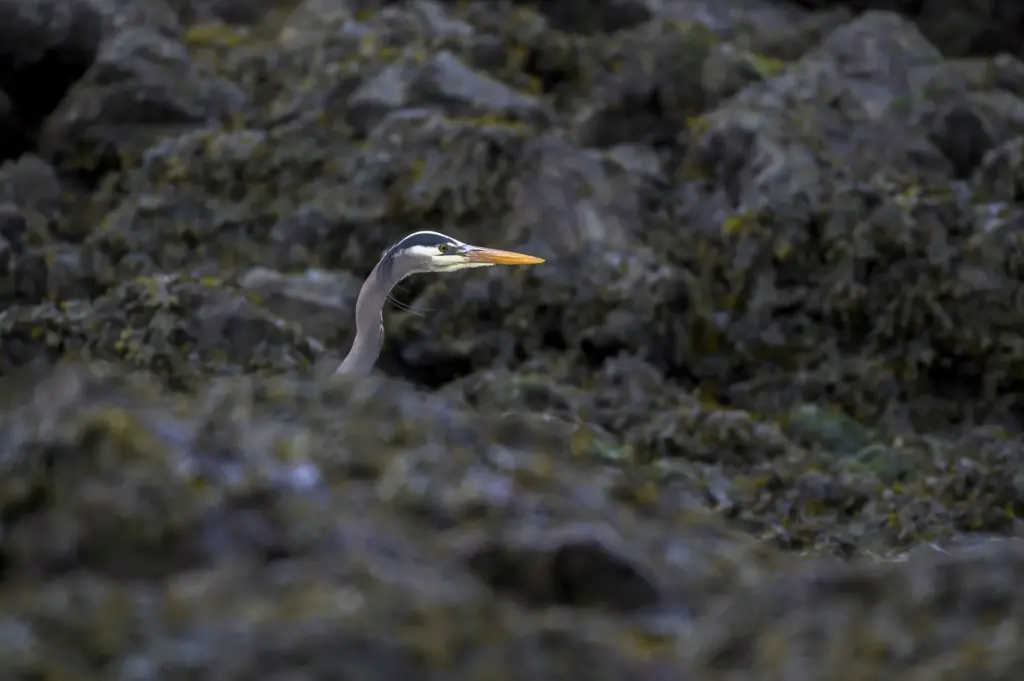
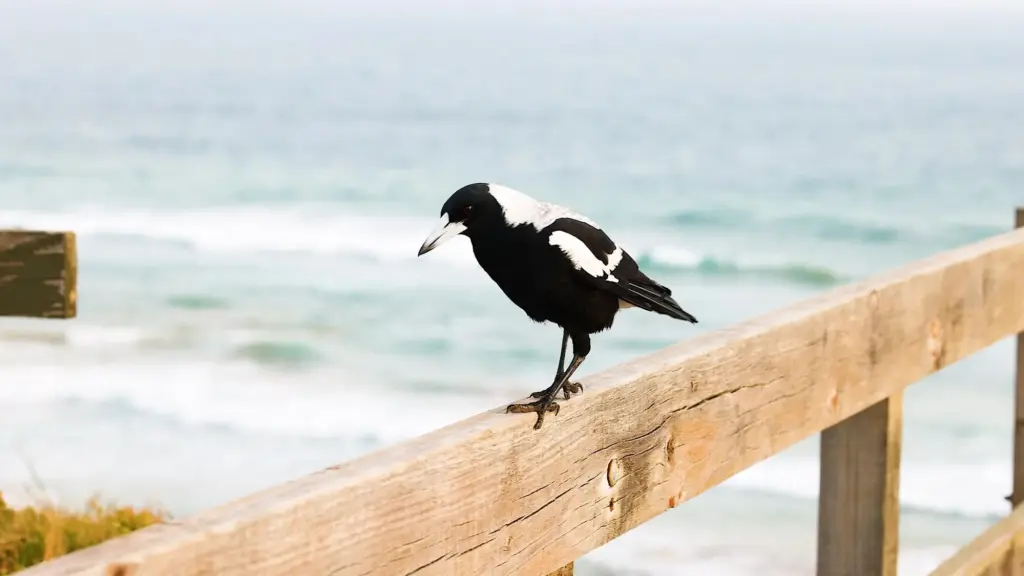
Beauty invites closeness, yet coastlines change faster than cameras. Check forecasts, tide curves, and access notes before leaving home, tell someone your return time, carry a headlamp, and pack extra layers. Keep drones grounded near rookeries, give nesting birds generous space, and leave only soft footprints fading with the swell.

From Field to Finished Print

After boots dry and fingers thaw, translate the walk’s feelings carefully. Preserve honest color, let grain breathe in shadows, and hold highlight detail in foaming crests. Sequence images from quiet pre-dawn to embered dusk, adding captions with tide states and locations so readers can retrace the experience responsibly.
Virodexonovidaximirakavi
Privacy Overview

This website uses cookies so that we can provide you with the best user experience possible. Cookie information is stored in your browser and performs functions such as recognising you when you return to our website and helping our team to understand which sections of the website you find most interesting and useful.